
Are you looking to discover how to close a pocket knife?
We’ve tested more than 42 different folding knives with 7 different locking mechanism types.
We’ve compiled everything we’ve discovered into this blog post for you.
Here are 7 different locking mechanisms and how to close them.
Related Post: The Best Folding Knife
Massive Giveaway – Claim your FREE Evatac Rescue knife here.
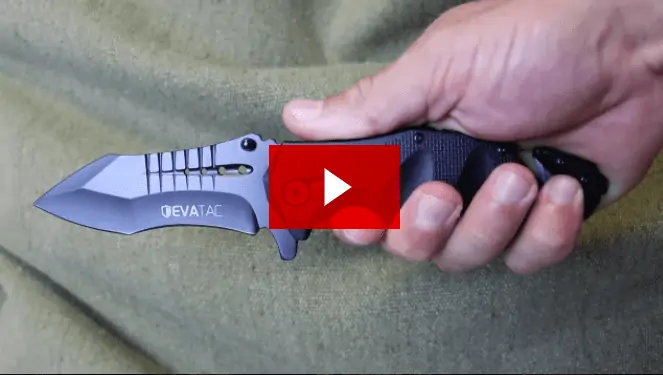
The technique to open any pocket knife is quite easy to figure out if you know a little about how they work and what to look for, so it shouldn’t take you long at all to become competent, even if you’re relatively new to pocket knives.
Most popular pocket knives locking systems:
The locking mechanisms discussed above are common, although there are several more unusual blade locks that are only utilized on a few knife models or by single firms.
However, any blade lock operates on the same principles as the standard locks, so you should have no trouble figuring out any blade lock not mentioned here.
Here’s a rundown of the most common knife locks, as well as how to close and use each type.
Let’s have a look at some of the most popular knife locks and find out exactly how to use them.
It’s time to get down to business!

I’ll go through how to close a pocket knife safely with a slip joint lock in depth.
Locking mechanisms used on slip joint pocket knives, such as the one above, rely on the downward pressure placed on the blade by its user to keep it from closing.
When you’re ready to use one of these pocket knives, simply pull the blade out of the handle and into the working position.
Nothing prevents a slip joint knife blade from opening other than the pressure you apply to it while using it, so be cautious and put enough force behind your cuts.
To close a slip joint pocket knife safely, grasp the rear of the open blade and carefully fold it back into the handle.
Overall, slip joint knives are one of the most simple locking mechanisms to use, but there’s also a high risk of injuries.
When you apply downward force on a slip joint knife, the blade will close, which can be quite hazardous.
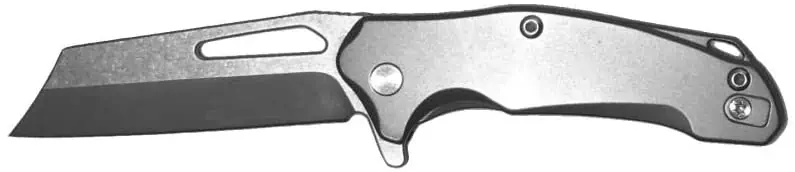
Frame locks are popular on many pocket knives, therefore learning how to use this type of locking mechanism may be quite useful.
I’ll go through how to close a pocket knife safely with a frame lock in depth.
The frame lock mechanism is a very basic but incredibly strong idea.
When the blade is open or closed, the component that maintains it in place is an extension of the knife’s overall frame.
To open and close a frame lock, you simply move the frame piece to the side to enable the blade to spin freely.
To prevent any knife blade movement, when you release the portion of the frame, it returns into position.

The liner lock, like the frame lock, is a less robust locking mechanism that can be found on a wide range of knives.
I’ll go through how to close a pocket knife safely with a liner lock in depth.
A liner lock design is similar to a frame lock’s one, with the exception that the part of the knife that holds the blade when it locks in place is different.
The portion of the blade held within the handle cavity by a frame lock is part of the knife’s outer frame, but a liner lock has an inserted piece that isn’t part of the frame.

Because the lock is not integrated into the frame, it is less sturdy than a frame lock.
Even if you utilize your knives only for basic pocket knife activities that don’t require a lot of structural knife strength, most users can’t tell the difference between them.
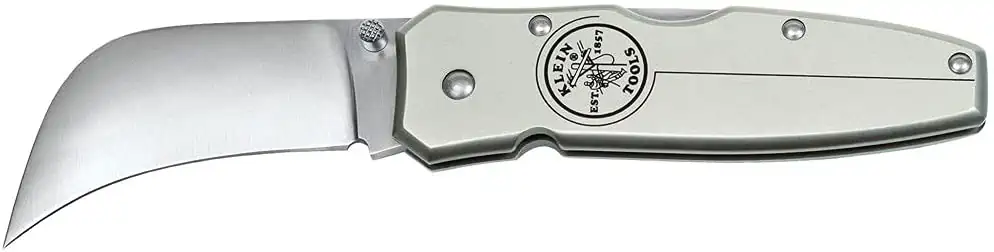
The lockback mechanism is another popular locking design.
While it is still used on folding hunting knives, beautiful knives, and other items, it is less common than some of the previous ones.
Let’s look at what actions and procedures you must follow to close a lockback knife.
Lockback locking systems, which are typically used on traditional hunting knives, are sturdy and resistant to accidental unlocking.
Closing a lockback knife requires a lot of thinking and effort, making them ideal for demanding jobs that might be lethal if the blade were to accidentally unlock.
A simple locking mechanism is used on lockback knives, but it is highly reliable.
A robust spring secures the blade of a lockback knife in one position or another through a metal strip that runs along the handle’s back.
When the lock release on the knife’s handle is compressed, it discharges the spring and allows the blade to swing open or shut.
When the release is not compressed, the spring maintains a firm grip on the blade, ensuring that it can be utilized without fear of unexpected closure.

The button lock is a novel locking mechanism that many individuals find appealing and attractive.
Let’s look at the specific actions you must complete to safely and swiftly close a pocket knife with a button lock.
Locking knives allow you to securely keep your gear safe, but there are some safety concerns to consider.
After all, one single press of a button may deploy the blade inside your pocket or when you’re not expecting it.
The button lock is a well-liked blade locking mechanism that’s used on switchblades and quick deployment knives.
However, it has some disadvantages.
When you push the blade release button on a button lock knife, a spring is released, which flings open the knife blade rapidly.
Button lock knives can open gradually or at breakneck speed, depending on the spring’s strength.
In many nations, button lock knives are prohibited or restricted. This rapid release may result in safety and usefulness concerns.
When closing a button lock pocket knife or switchblade, make sure to be safe and cautious.

Axis lock pocket knife is a quite popular every day carry knife due to it’s smooth and quick opening and closing action.
I’ll go through the specific stages you’ll need to follow to safely close an axis lock knife in this section.
The bar lock, frequently seen on higher-end or mid-range pocket knives, is a straightforward yet long-lasting design.
While the term “bar” refers to both this type of knife lock and Benchmade Axis Lock, Benchmade has a patented version known as the Benchmade Axis Lock (which is the original).
A small bar is inserted into a slot in the knife’s handle to operate the bar lock.
The bar is spring-loaded and sits completely within an indent in the back of the blade.
When you pull on the bar, it releases the blade and allows it to move freely.
When you let go of the bar, the spring pulls it into the rear indentation of the blade to lock it open or shut.
The release bar on a bar lock knife is generally accessible on both sides of the handle, giving it increased ambidextrous capabilities and allowing you to use it in ways that are impossible with other knives.
Overall, the bar lock (or Benchmade Axis Lock, as it is more widely known) is a very durable and effective locking mechanism that can be quickly and simply shut once you have a basic understanding of how it works.
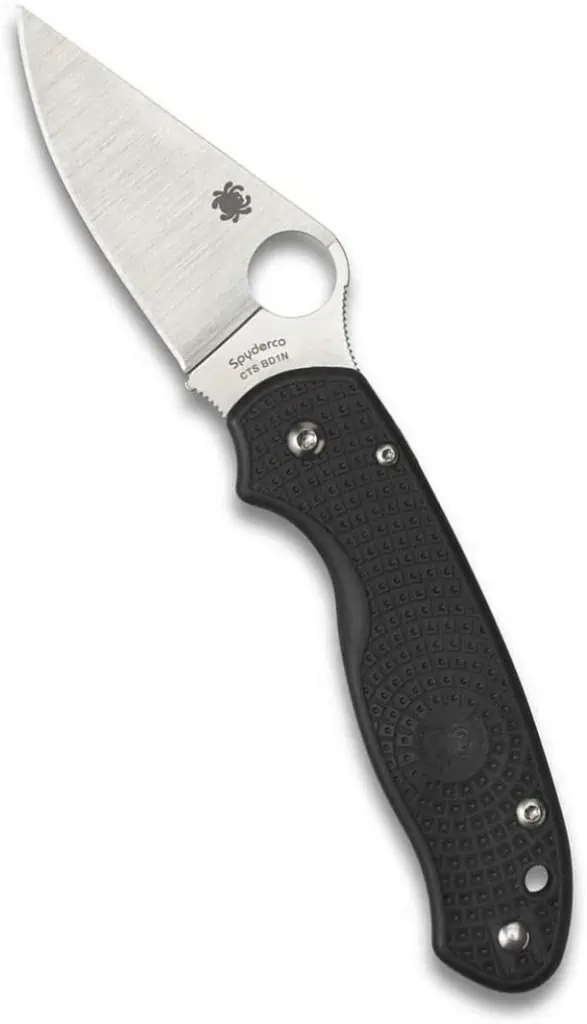
Compression lock knives are quite similar to liner locks, but there are a few important distinctions in how they function and keep the blade secured.
Let’s have a look at how compression lock knives work and how to safely and correctly close them.
Closing a compression lock knife is the same as closing a liner or frame locking knife.
The way you interact with and close a compression locking mechanism is exactly the same as those previously mentioned lock systems, however the knife’s inner workings are completely distinct.
The notch in the blade’s base and a stop pin inside the handle are two distinctive features that distinguish compression locks from similar knives.
A compression lock is a type of mechanism that compresses the blade’s blade in order to keep it open or shut.
The liner fits snugly into a notch at the knife’s base when the knife is opened or closed. There is also an internal stop pin within the handle that keeps the liner between.
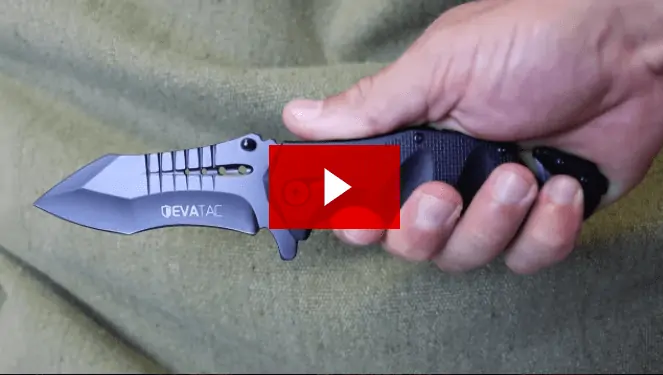
Always be on the lookout for rust, damage, and any broken parts or malfunctioning locking systems when closing or opening your pocket knife. These are elements that might prevent the knife from functioning properly, make it less efficient, or even result in bodily harm to the user.
Yes, you should. After each usage, it is critical to clean your pocket knife. If your knife gets dirty or wet, it might be hazardous to use. After cleaning it, make sure that the pocket knife is completely dry before closing it up.
When using a pocket knife, there are several precautions to observe. Before using a pocket knife, educate yourself on knife safety; even the tiniest ones may still be hazardous.
When you close the knife, make sure all of your fingers are away from the blade. Remember that any pocket knife’s blade will swing toward the handle as it closes, so keep an eye on where your fingers are when shutting any type of pocket knife.
Hidden Content